

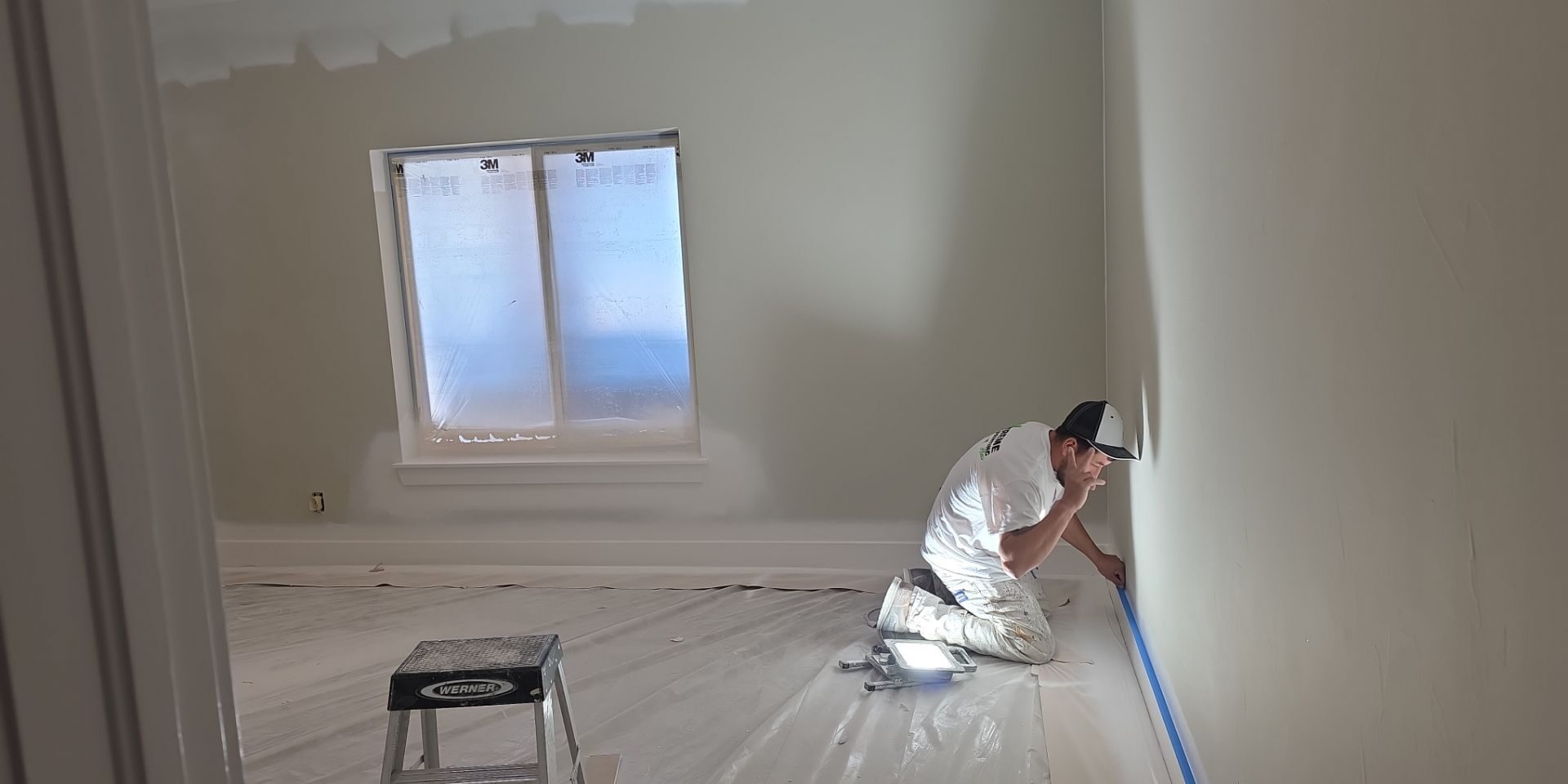
A flawless interior paint job doesn’t start with choosing paint colors or opening a can of primer, it starts with preparation. Proper wall prep is what separates a smooth, long-lasting finish from one that chips, peels, or shows imperfections.
At Xtreme Painting Plus, we’ve completed countless residential house painting projects throughout Thornton and the Greater Front Range. From simple room updates to full color transformations, we’ve learned that thorough on-site prep is the foundation of every successful project. Whether you’re tackling a DIY update or hiring professional painters, understanding the preparation process helps ensure the best possible outcome.
Here’s a practical, step-by-step guide to preparing your interior walls the right way.
Why Proper Wall Preparation Matters
Before painting begins, preparation sets the stage for performance and appearance.
Better adhesion and durability
The right paint/primer type bonds properly only when applied to clean, stable surfaces. Skipping prep often leads to premature peeling or uneven texture.
A smoother finish
Sanding, drywall repair, and patching eliminate dents, nail holes, and visible seams that can ruin even the best finish options.
Long-term value
Addressing minor issues now prevents costly corrections later. Professional painters know that prep protects your investment.
Enhanced customer experience
When prep is handled correctly, the entire project runs more smoothly from application to final blue tape inspections.
Step 1: Define the Scope of Work
Before moving furniture or taping trim, clearly define the scope of work.
Ask:
- Are you painting walls only, or ceilings and trim as well?
- Is cabinet painting part of the project?
- Are you changing color palettes entirely?
- Are there areas with water damage or needed drywall repair?
Clarifying these details ensures you have the right materials, timeline, and paint/primer type selected before beginning.
Step 2: Clear and Protect the Space
Create a clean, open workspace.
- Remove furniture whenever possible.
- Cover large items with plastic or canvas drop cloths.
- Remove outlet covers and switch plates.
- Protect flooring and fixtures.
Professional on-site prep always includes careful protection of surrounding surfaces. This reduces cleanup time and improves overall customer service and satisfaction.
Step 3: Inspect for Damage
Carefully examine walls under proper lighting.
Look for:
- Nail holes and dents
- Cracks in drywall
- Peeling paint
- Stains
- Signs of water damage
Addressing drywall repair before painting is critical. Covering damage without fixing it often leads to bubbling or visible imperfections later.
Step 4: Clean the Walls Thoroughly
Even if walls appear clean, dust and oils can interfere with adhesion.
- Use mild soap and water for general cleaning.
- Degrease kitchens or high-traffic areas.
- Rinse and allow surfaces to dry completely.
Professional painters understand that proper cleaning ensures the paint bonds evenly and supports long-term durability.
Step 5: Repair and Patch Imperfections
Use a high-quality patching compound to fill nail holes and small cracks.
For larger repairs:
- Apply compound with a putty knife.
- Allow it to dry completely.
- Sand smooth until flush with the wall.
Proper drywall repair ensures the final coat looks seamless. Skipping this step often results in visible blemishes that even premium paint colors can’t hide.
Step 6: Sand for Uniform Texture
Light sanding creates an even surface and improves adhesion.
- Sand patched areas until smooth.
- Dull glossy finishes.
- Feather edges around previous paint layers.
After sanding, remove all dust. Clean surfaces are essential before primer is applied.
Step 7: Tape and Mask Carefully
Crisp edges are one of the hallmarks of professional residential house painting.
- Apply painter’s tape along baseboards and trim.
- Mask off ceilings and window frames.
- Press tape firmly to prevent bleed-through.
Proper masking simplifies the blue tape inspections conducted at the end of a professional job.
Step 8: Prime When Necessary
Primer is not optional in most situations.
You should prime if:
- overing dark paint colors
- Painting over patched drywall
- Addressing stains
- Changing paint/primer type
- Switching from flat to higher sheen finish options
Primer creates a uniform base and enhances color transformation results. It also ensures that your final coat reflects your chosen color palettes accurately.
Step 9: Consider Color Selection Before Painting
Preparation isn’t only about surface readiness, it’s also about thoughtful color decision-making.
Choosing the right paint colors impacts mood, lighting, and resale value. Many homeowners benefit from a professional color consultation to explore color trends, test samples, and evaluate finish options.
The color decision-making process should align with your goals:
- Neutral tones for resale
- Bold accents for personality
- Coordinated palettes for open floor plans
Taking time here prevents costly repainting later.
Interior vs. Exterior Preparation
While this guide focuses on interior work, preparation is equally critical in exterior painting projects. Exterior surfaces require additional steps like power washing, moisture testing, and weather evaluation. Whether inside or out, proper prep protects your home and extends the lifespan of the paint job.
Why Many Homeowners Choose Professional Painters
Wall prep is often the most time-consuming part of painting. Hiring professional painters ensures:
- Accurate evaluation of drywall repair needs
- Proper paint/primer type selection
- Efficient on-site prep
- Clean, consistent application
- Thorough blue tape inspections
- Strong customer service from start to finish
At Xtreme Painting Plus, our focus on preparation enhances the overall customer experience and ensures lasting results.
FAQs: Preparing Walls for Interior Painting
Q1.How long does professional wall preparation take?
Prep time depends on wall condition and project size. Minor prep may take several hours, while larger drywall repair projects can require a full day or more.
Q2.Is primer always necessary?
Primer is recommended when covering dark paint colors, repairing drywall, or switching paint types to ensure proper adhesion and uniform coverage.
Q3. Can I paint over water-damaged drywall?
No. Water damage must be repaired and fully dried before painting to prevent bubbling and peeling.
Q4.Should I get a color consultation before painting?
Yes. A color consultation helps streamline the color decision-making process and ensures your chosen color palettes match lighting and décor.
Q5.What happens during blue tape inspections?
After the paint dries, professionals review the work with the homeowner and use blue tape to mark areas needing touch-ups, ensuring quality control and customer satisfaction.
Ready for a Professional Interior Paint Job?
Preparing your walls properly is the key to a smooth, durable, and visually appealing finish. From drywall repair to color consultation, every step plays a role in the final result.
If you want expert preparation, reliable customer service, and a seamless customer experience, trust Xtreme Painting Plus for your next residential house painting project.
Contact Xtreme Painting Plus today for a free estimate and let our team handle every detail—from on-site prep to final walkthrough—so you can enjoy a flawless color transformation in your home.


