

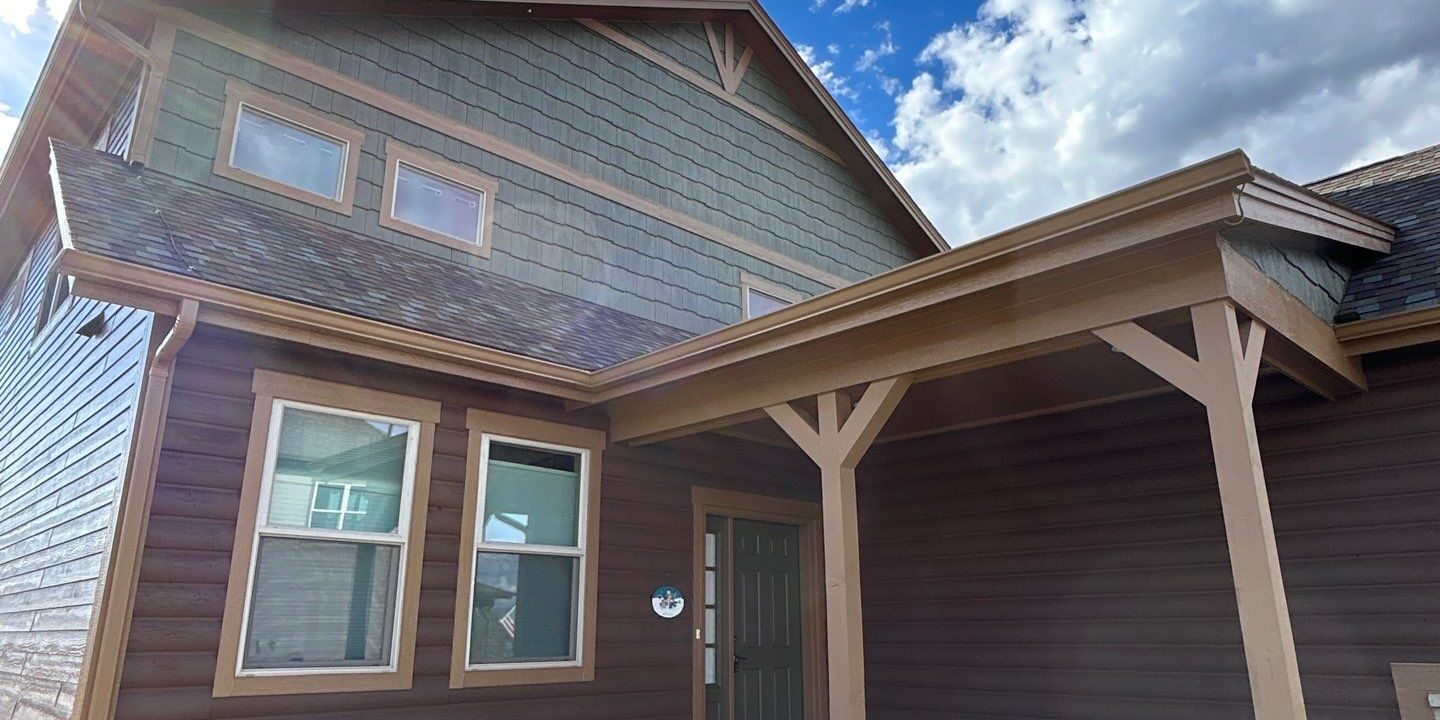
Colorado homeowners know the weather here doesn’t pull any punches. From scorching summer sun at high altitude to sudden snowstorms and dramatic temperature swings, your home’s exterior paint takes a beating year-round. At Xtreme Painting Plus, we’ve spent years protecting Colorado homes from the unique challenges of Front Range weather, and we know exactly what it takes to keep exterior paint looking great and performing well for the long haul. This homeowner’s guide breaks down how Colorado weather affects your paint and the practical steps you can take to extend the life of your exterior finish.
Why Colorado Weather Is Tough on Exterior Paint
Living along the Front Range means dealing with a climate that’s beautiful but brutal on building materials. Most homes we paint are over a mile above sea level, and that elevation alone changes the equation for exterior paint. The thinner atmosphere lets more ultraviolet radiation reach your siding than you’d see in lower-elevation cities, and the dry air combined with sudden weather shifts puts constant stress on every painted surface. Add in heavy snowfall, hailstorms, and the occasional 50-degree temperature swing in a single day, and it’s easy to see why exterior paint along the Front Range often fails years before paint on the same home would in a milder climate.
Sun and UV Damage at High Altitude
Colorado averages around 300 days of sunshine each year, which sounds wonderful until you consider what that does to your paint. Ultraviolet rays break down the binders and pigments in exterior coatings, and at our elevation those rays hit harder than they do at sea level. Over time, you’ll start to see colors fade, especially on south- and west-facing walls that catch the most direct light. Darker shades like deep reds, navy blues, and rich browns tend to lose their depth fastest, while lighter tones hold up a bit longer.
Another telltale sign of UV damage is chalking, that powdery white residue that comes off on your hand when you brush against the siding. Chalking happens when the resin binding the paint together breaks down, leaving loose pigment behind. Once chalking starts, the paint has lost much of its protective ability and the surface beneath becomes vulnerable. Choosing high-quality paints formulated with UV inhibitors makes a huge difference, and it’s one of the reasons we’re particular about the products we recommend to our customers.
Snow, Ice, and Moisture Problems
Colorado winters bring heavy snow, ice dams, and persistent moisture that can find its way into the smallest cracks in your paint. When water seeps behind the coating and then freezes, it expands and lifts the paint away from the siding. After a few freeze-thaw cycles, you’ll often see blistering, bubbling, or peeling, especially on north-facing walls and shaded areas that stay damp longer.
Shaded sections of your home are also prime territory for mildew and mold growth. Without direct sun to dry them out, these areas hold moisture for days after a snowstorm, giving spores plenty of time to take hold and create dark stains on the surface. Quality exterior paints contain mildewcides that resist this kind of growth, but no paint is invincible. If you start spotting dark patches near the foundation, under eaves, or behind shrubs, it’s worth getting a professional opinion before the problem spreads.
Temperature Swings and Freeze-Thaw Cycles
If you’ve lived in Colorado for even a single winter, you’ve experienced our infamous temperature swings. A sunny 60-degree afternoon can drop into the teens by midnight, and your home’s exterior materials expand and contract with every shift. Wood siding, stucco, and trim all move at slightly different rates, and the paint covering them has to flex along with everything underneath.
Standard paints often can’t keep up with that constant movement, eventually cracking, alligatoring, or pulling away from the surface. High-performance paints are designed to stay flexible across a wide temperature range, which makes them a much better choice for Colorado homes. The right product paired with proper application can mean the difference between a paint job that lasts five years and one that lasts twelve or more.
How to Protect Your Exterior Paint
Protecting your paint isn’t complicated, but it does require attention. A few habits can dramatically extend the life of your exterior finish and save you from premature repainting.
Schedule Regular Inspections
Walk around your home at least twice a year, ideally in spring and fall. Look for fading, cracking, peeling, or any spots where the paint film has been compromised. Catching small issues early prevents them from turning into expensive repairs.
Keep the Surface Clean
Dirt, pollen, and organic debris trap moisture against your siding and accelerate paint breakdown. A gentle wash with a garden hose and mild detergent once a year removes buildup without damaging the finish. Avoid high-pressure washing, which can drive water behind the paint.
Address Cracks and Caulking Promptly
Caulk shrinks and cracks over time, especially around windows, doors, and trim. When the seal fails, water finds its way in and starts working on your paint from behind. Replacing caulking every few years is one of the cheapest ways to protect a much larger investment.
Trim Back Vegetation
Bushes and tree limbs touching your siding hold moisture against the surface and can scrape paint as they move in the wind. Keep landscaping at least a foot away from exterior walls to give the siding room to breathe.
Choose the Right Paint and the Right Time
Premium exterior paints formulated for Colorado conditions cost more upfront but easily pay for themselves through longer service life. Equally important is timing your project correctly. Late spring through early fall offers the most stable temperatures for proper paint cure, and reputable contractors plan around the weather rather than rushing a job in less-than-ideal conditions.
When to Repaint Your Colorado Home
Most Front Range homes need exterior repainting every 7 to 10 years, though that range depends heavily on the original paint quality, the application, and the home’s exposure. Watch for these warning signs that tell you it’s time to schedule a fresh coat:
- Faded or uneven color, especially on sun-exposed walls
- Chalky residue that rubs off when you touch the siding
- Cracking, alligatoring, or peeling paint
- Soft or warped wood siding indicating moisture damage
- Mildew stains in shaded areas that don’t wash off
- Visible gaps or failed caulking around trim and windows
If you’re seeing two or more of these signs, your paint has reached the end of its protective life and continuing to wait will start affecting the materials underneath.
Why Hire a Local Professional Painter
Exterior painting in Colorado is not a typical DIY project, and the difference between a professional job and a weekend attempt usually shows up within a couple of seasons. Local painting contractors understand how altitude affects drying times, which products perform best in our climate, and how to prep surfaces so the new paint actually bonds and lasts. Surface preparation alone, including scraping, sanding, repairing damaged wood, priming, and caulking, is often where amateur jobs fall short.
At Xtreme Painting Plus, we’ve built our reputation on doing this prep work properly and using products engineered to handle Front Range weather. We also stand behind our work, which gives homeowners peace of mind that their investment is protected long after the final coat dries.
Ready to Protect Your Home? Contact Xtreme Painting Plus
Colorado weather is hard on homes, but the right paint job applied by experienced professionals can stand up to whatever the Front Range throws at it. If you’ve noticed fading, peeling, or other signs of weather damage on your home, now is the time to act before small problems become expensive ones.
Xtreme Painting Plus offers consultations to walk through your project, recommend the right products for your home, and provide clear, straightforward pricing. Our team takes pride in delivering durable, beautiful exterior finishes that protect your home and boost your curb appeal for years to come. Reach out today to schedule your estimate and let us show you why we’re one of the most trusted exterior painters in Colorado.
Frequently Asked Questions
How often should I repaint my home’s exterior in Colorado?
Most Colorado homes benefit from a fresh coat of exterior paint every 7 to 10 years. Homes with heavy sun exposure, older siding, or lower-quality previous paint jobs may need it sooner, while well-maintained homes using premium products can sometimes go longer. A yearly inspection helps you catch problems before they shorten the life of your finish.
What’s the best time of year to paint a home’s exterior in Colorado?
Late spring through early fall provides the most reliable conditions for exterior painting along the Front Range. Stable daytime temperatures between 50 and 85 degrees, low humidity, and minimal chance of overnight freezes give paint the time it needs to cure properly and form a durable bond with the surface.
Can I paint over chalking or peeling paint?
No. Painting over compromised surfaces traps the problem underneath and almost guarantees the new coat will fail quickly. Chalking must be washed off, and any peeling, cracking, or loose paint needs to be scraped, sanded, and primed before fresh paint goes on. Proper preparation is the foundation of a long-lasting exterior finish.
What kind of paint holds up best to Colorado weather?
High-quality 100% acrylic and elastomeric exterior paints generally perform best in Colorado’s climate. They’re designed to flex with temperature swings, resist UV breakdown, and shed moisture without losing their bond. A trusted local painter can recommend the specific product line that fits your siding type and exposure.
How can I tell if moisture has gotten behind my paint?
Common signs include bubbling or blistering paint, soft or spongy wood siding, peeling sections that lift cleanly off the surface, and dark stains that don’t wash away. If you notice any of these, it’s worth having a professional inspect the area before painting over the symptoms.
Is hiring a professional painter really worth it compared to doing it myself?
For most Colorado homes, yes. Professional painters bring the right products, the right equipment, and the experience to prep surfaces correctly so the finish actually lasts. They also handle the safety, scheduling, and weather considerations that often trip up DIY projects. When you factor in the cost of materials, the time investment, and the likelihood of having to redo poor work within a couple of years, hiring a local pro almost always delivers better long-term value.


